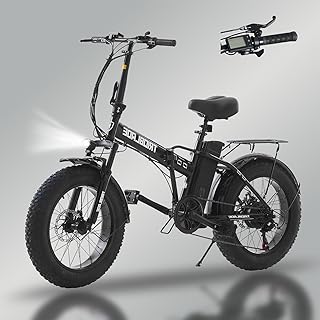
Electric Bikes vs. Traditional Bikes: Which is Right for You?
When it comes to choosing between an electric bike and a traditional bike, there are several factors to consider before making your decision. Both options have their own set of benefits and drawbacks, and what may work best for one person may not necessarily be the ideal choice for another. In this article, we will compare electric bikes and traditional bikes to help you determine which one is right for you.
1. Cost
One of the first things to consider when deciding between an electric bike and a traditional bike is the cost. Electric bikes typically come with a higher price tag due to the added technology and components needed to make them electrically powered. Traditional bikes, on the other hand, are generally more affordable upfront. However, it's important to consider the long-term costs as well. Electric bikes may require occasional maintenance and battery replacements, which can add to the overall cost over time.
2. Ease of Use
Electric bikes are known for their ease of use, especially for individuals who may struggle with physical limitations or have difficulty pedaling for long distances. The electric motor can provide an extra boost when needed, making it easier to tackle hills or cover longer distances without as much effort. Traditional bikes, while great for exercise and improving fitness, may require more physical exertion, especially when faced with challenging terrain.
People Also Look For:
- Electric Mountain Bike, 26"/29" E-bike Commuter Electric Bike with 48V 17.5Ah Removable Battery, LED Display, Dual Disc Brakes, 21...
- Finbike U1 Electric Bike for Adult/Teens,14" Folding Electric Bicycle with LCD Display,25KM/H & 45KM Range,4H Fast Charge,4 Riding...
- RZOGUWEX Electric Bicycle,20 Inch 160NM Dual Motor Off-Road EBIKE for Adults with 48V 30AH Detachable Lithium Ion Battery, Du...
- HillMiles MilePort 1 Electric Bike for Adults with 36V 13AH Removable Battery, 20"*3.0" Fat Tire Folding Electric Bicycle with Top...
- JESRIDER Electric Bike Road Legal 250W,Electric Mountain Bike,26"x4" Fat Tyre Ebikes,48V 20AH Removable Battery 40Miles Range,Fron...
3. Environmental Impact
Electric bikes are often touted as a more environmentally friendly option compared to traditional bikes. While both options are better for the environment than driving a car, electric bikes produce zero emissions and can help reduce your carbon footprint. Traditional bikes, on the other hand, require physical exertion and may not be as practical for longer commutes or hilly terrain.
4. Fitness Benefits
One of the main advantages of traditional bikes is the fitness benefits they offer. Riding a traditional bike can help improve cardiovascular health, build strength, and burn calories. Electric bikes, while still providing some level of exercise, may not offer the same intensity of workout as a traditional bike. If you're looking to improve your fitness levels, a traditional bike may be the better choice for you.
5. Range
When it comes to range, electric bikes have a clear advantage over traditional bikes. Electric bikes can cover longer distances without as much physical effort, making them a great option for commuting or leisurely rides. Traditional bikes may require more energy to cover the same distance, which can limit the range you're able to ride in a single trip.
6. Speed
Electric bikes are known for their speed, thanks to the electric motor that provides an extra boost when needed. This can be particularly useful when riding in hilly areas or against strong headwinds. Traditional bikes, while still capable of reaching high speeds, may require more effort from the rider to maintain a fast pace.
7. Storage and Portability
When it comes to storage and portability, traditional bikes have the advantage. They are typically lighter and easier to transport, making them a great option for individuals who need to carry their bike up stairs or onto public transportation. Electric bikes, while heavier due to the added motor and battery, may be more challenging to store or transport in certain situations.
8. Personal Preference
Ultimately, the decision between an electric bike and a traditional bike comes down to personal preference. Consider your individual needs, lifestyle, and riding habits to determine which option is the best fit for you. If you value convenience, range, and ease of use, an electric bike may be the way to go. If you enjoy the physical challenge, fitness benefits, and simplicity of a traditional bike, then that may be the better choice for you.